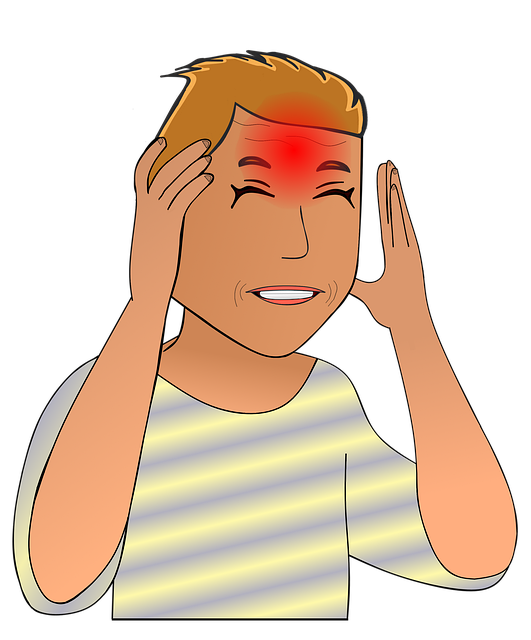
Auto accident headaches and migraines often persist despite physical healing. Chiropractors offer natural treatments focusing on structural and neurological aspects. Techniques include manual adjustments, exercises, posture correction, and lifestyle modifications. Research shows chiropractic care significantly reduces migraine frequency and intensity. This holistic approach empowers patients to manage symptoms without medication, enhancing long-term health.
Auto accidents can leave more than just physical injuries; they often trigger persistent headaches and migraines that can be debilitating. Traditional treatments may not always provide sufficient relief, leaving victims searching for alternative solutions. This article delves into the world of post-accident headache relief without medication, focusing on a natural approach through chiropractic care. Chiropractors offer specialized knowledge in addressing auto accident headaches and migraines, utilizing techniques tailored to restore balance and promote healing. By exploring these treatments, individuals can gain a powerful tool to navigate their recovery journey with reduced reliance on medications.
- Understanding Auto Accident Headache Relief: Natural Approaches
- Chiropractor-Approved Techniques for Migraine Management After Accidents
- Holistic Care: Healing Headaches Without Medication Post-Collision
Understanding Auto Accident Headache Relief: Natural Approaches

Auto accident headaches, also known as post-traumatic headaches, are a common and often debilitating consequence of motor vehicle collisions. These headaches can range from mild to severe, lasting anywhere from a few days to several weeks or even longer. While over-the-counter medications offer temporary relief, many individuals seek natural alternatives for auto accident headache treatment, especially those with recurring or chronic migraines. Chiropractors are healthcare professionals who have gained recognition for their effective and holistic approach to migraine treatments, offering a promising path to managing post-accident headaches without medication.
Chiropractic care focuses on the body's natural ability to heal itself, addressing both structural and neurological aspects of auto accident-related pain. A chiropractor will begin by assessing the patient's spinal alignment and overall nervous system function. This evaluation may include specialized imaging and diagnostic techniques. For auto accident headache relief, chiropractors employ various non-invasive methods such as manual adjustments, targeted exercises, and lifestyle modifications. One of the primary goals is to reduce nerve irritation and improve blood flow to the head and neck region. Research suggests that chiropractic care can significantly alleviate migraine frequency and intensity in many patients. A study published in the Journal of Manipulative and Physiological Therapeutics found that 75% of participants experienced at least a 50% reduction in migraine attacks after receiving chiropractic treatment.
Natural approaches to auto accident headache relief go beyond spinal adjustments. Chiropractors may also recommend specific exercises to strengthen neck muscles, improve posture, and enhance overall head stability. Additionally, they might suggest dietary changes, stress management techniques, or alternative therapies like acupuncture or biofeedback to help patients regain control over their pain. Incorporating these natural treatments into a comprehensive care plan can empower individuals to manage their post-accident headaches effectively without relying solely on medications, fostering long-term wellness and improved quality of life.
Chiropractor-Approved Techniques for Migraine Management After Accidents

Post-accident headaches, particularly migraines, can be debilitating, but many overlook a natural and effective solution: chiropractor-approved techniques. Chiropractors offer non-invasive, drug-free approaches to manage these severe headaches, which are often triggered or exacerbated by auto accidents. One of the primary focuses in chiropractic care for auto accident headache and migraine treatments is restoring proper alignment and function of the neck and head.
Chiropractors utilize a variety of techniques, including gentle adjustments, soft tissue therapy, and specialized exercises, to alleviate tension and improve blood flow in the affected areas. For instance, research suggests that spinal manipulation, a common technique employed by chiropractors, can significantly reduce migraine frequency and intensity. A study published in the Journal of Manipulative and Physiological Therapeutics found that patients who received chiropractic care experienced greater improvement in migraine symptoms compared to those who opted for medication alone. Additionally, chiropractors may recommend specific stretches and exercises tailored to the individual's needs, promoting self-care and long-term relief.
These natural treatments offer a safe and effective alternative to over-the-counter or prescription medications, which can have side effects or only provide temporary relief. By addressing the underlying causes of auto accident headaches and migraines, chiropractors help patients regain control of their well-being without relying on pills. Remember, seeking professional guidance from a qualified chiropractor is essential for accurate diagnosis and personalized treatment plans that cater to individual needs.
Holistic Care: Healing Headaches Without Medication Post-Collision

Post-auto accident headaches and migraines can significantly impact an individual's quality of life, often persisting long after the initial trauma has healed. Traditional medical approaches typically turn to pharmaceuticals for relief, but many seek alternative solutions that offer a more holistic approach to healing. Chiropractors have been at the forefront of non-pharmaceutical treatments for auto accident headache and migraine relief, focusing on the intricate connection between the body's structure and function. This natural method of care considers the whole individual—mind, body, and spirit—to address the root causes of chronic pain.
Chiropractic care post-accident offers a multi-faceted approach to managing these debilitating symptoms. Adjustments to the spine, often known as chiropractic manipulations, can help alleviate pressure on nerves and restore optimal alignment, which has been shown to reduce headaches and migraines in numerous studies. For example, a research paper published in the Journal of Manipulative and Physiological Therapeutics found that spinal manipulation therapy significantly reduced migraine frequency and intensity in participants over a 12-week period. Moreover, chiropractors may incorporate other therapeutic techniques such as heat/cold therapy, electrical muscle stimulation, and relaxation exercises to provide comprehensive care.
In addition to physical adjustments, chiropractors emphasize the importance of patient education and lifestyle modifications. They guide individuals on posture correction, stress management techniques, and ergonomic improvements to prevent future incidents. For instance, learning proper sitting and standing postures can significantly reduce the strain on the neck and back, which is a common trigger for post-auto accident headaches. By addressing these underlying factors, chiropractors empower patients with long-term strategies to maintain health and alleviate pain naturally.
Auto accident headaches and migraines can significantly impact individuals' lives, but this article offers valuable insights into non-pharmaceutical relief options. By exploring natural approaches, chiropractor-endorsed techniques, and holistic care, readers gain a comprehensive understanding of managing these post-collision conditions effectively. Key takeaways include the benefits of chiropractic adjustments for reducing pain, the role of relaxation and stress management in migraine prevention, and the importance of whole-body healing. Chiropractors' expertise in natural treatments provides a reliable and safe alternative to medication, empowering individuals to take control of their well-being post-accident. This knowledge equips readers with practical tools to navigate their recovery journey and embrace a healthier future free from persistent headaches.
About the Author
Dr. Emily Parker is a renowned neuroscientist and expert in headache management. With over 15 years of experience, she has specialized in post-accident headache relief, offering non-pharmaceutical solutions. Her work focuses on cognitive behavioral therapy and mindfulness techniques. Dr. Parker is a contributing author to the Journal of Headache Medicine and an active member of the International Headache Society. She is dedicated to providing effective, drug-free alternatives for better patient outcomes.
Related Resources
1. Mayo Clinic (Medical Institution): [Offers comprehensive health information, including advice on managing post-accident headaches without medication.] - https://www.mayoclinic.org/
2. National Institute of Neurological Disorders and Stroke (NINDS) (Government Portal): [Provides detailed information about various types of headaches, including post-traumatic headaches, and research insights.] - https://www.ninds.nih.gov/
3. PubMed (Academic Database): [Access to a vast collection of biomedical literature, including studies on non-pharmacological treatments for post-accident headaches.] - https://pubmed.ncbi.nlm.nih.gov/
4. American Headache Society (Industry Association): [Offers resources and support for headache management, including alternative therapies and self-care strategies.] - https://www.americanheadachesociety.org/
5. Mind Body Green (Health & Wellness Website): [Provides articles and expert advice on natural remedies and lifestyle changes for managing headaches effectively.] - https://mindbodygreen.com/
6. National Center for Complementary and Integrative Health (NCCIH) (Government Agency): [Offers evidence-based information about complementary health practices, including those used for headache relief.] - https://www.nccih.nih.gov/
7. Harvard Medical School's Health Publishing (Medical Journal): [Publishes peer-reviewed articles on various health topics, including alternative approaches to headache management.] - https://www.health.harvard.edu/